
What Is a Shell and Tube Heat Exchanger?
Understanding the Shell and Tube Heat Exchanger
Heat exchangers play a significant role in many heavy-duty operations. They help control temperatures, keep machinery from overheating, and ensure different processes run smoothly. The team at Hayes Power Services specializes in this type of industrial equipment, providing top-tier solutions for facilities throughout Illinois, Nebraska, Pennsylvania, and beyond. Keep reading to learn how these systems work, the different types available, and tips to keep them running well for years to come.
What Is a Shell and Tube Heat Exchanger?
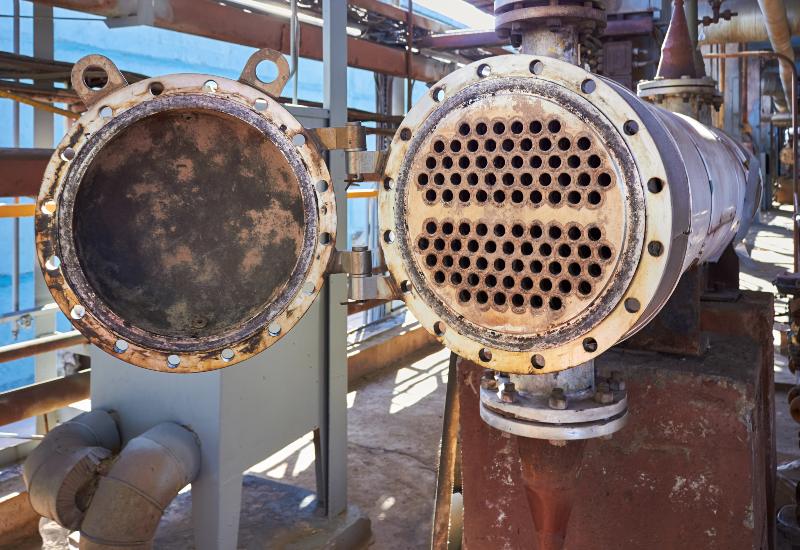
A shell and tube heat exchanger is a device designed to transfer heat between two or more fluids. As the name suggests, this equipment consists of a large outer pressure vessel called a shell. Inside this shell sits a bundle of tubes. One fluid runs through the tubes, while another fluid flows over the tubes inside the shell. This design provides a large surface area, enabling highly effective heat transfer.
Understanding the basic shell and tube heat exchanger components helps you see why this design is so popular. The main parts include:
- The Shell – This is the large outer cylinder that holds the internal parts and one of the fluids.
- The Tube Bundle – The second fluid flows through this group of metal pipes.
- Tube Sheets – These thick metal plates hold the tubes in place at either end.
- Baffles – Metal plates inside the shell direct the flow of fluid and support the tubes so that they don’t vibrate.
What Are the Types of Shell and Tube Heat Exchangers?
Not every facility has the same needs. Because of this, engineers have created a few different designs to handle specific pressures, temperatures, and fluids:
- Fixed Tube Sheet Heat Exchangers – In a fixed tube sheet design, the tube sheets connect directly to the shell. This is a very strong and low-cost option. It works incredibly well when the temperatures of the two fluids are fairly close. However, because the tubes cannot expand much, this type is not ideal for situations with massive temperature swings.
- U-Tube Heat Exchangers – A U-tube design features tubes bent into the shape of a “U.” Both ends of the tubes connect to a single tube sheet. Because the bend hangs freely inside the shell, the tubes can easily expand and contract as temperatures change. This makes U-tube exchangers perfect for high-heat situations.
- Floating Head Heat Exchangers – This design takes the best of both worlds. One tube sheet stays fixed, while the other can move or “float” inside the shell. This setup handles high temperatures very well. It also allows workers to remove the entire tube bundle from the shell, making cleaning and repairs much easier.
How Does an Industrial Shell and Tube Heat Exchanger Work?
The main goal of an industrial shell and tube heat exchanger is to transfer heat from a hot fluid to a colder fluid without mixing the two. Here’s a step-by-step look at how the process happens:
- Fluid Entry – The first fluid pumps into the tube bundle. At the same time, the second fluid pumps into the outer shell.
- Heat Transfer – As the fluids move, the hotter fluid naturally releases its heat. The metal walls of the tubes absorb this heat and pass it to the cooler fluid.
- Guided Flow – Inside the shell, baffles force the shell-side fluid to weave back and forth across the tubes. This turbulence ensures the fluids mix well thermally, maximizing the amount of heat exchanged.
- Exit – Finally, the fluids leave the exchanger. The hot fluid is now cooler, and the cold fluid is now warmer.
What Are Common Shell and Tube Heat Exchanger Applications?
Because they can withstand high pressure and extreme temperatures, these devices are used in many heavy-duty settings. Shell and tube heat exchanger applications span several major industries, including:
- Power Plants – Power facilities use these exchangers to cool down steam and turn it back into water. This water then returns to the boiler to create more power.
- Oil Refineries – Refining raw crude oil into usable fuel requires heating and cooling the oil at very specific stages. Shell and tube exchangers handle these extreme temperature changes safely.
- Chemical Processing – Chemical plants often deal with thick, sticky, or corrosive fluids. The durable design of these exchangers allows them to handle tough chemicals without breaking down.
- Food and Beverage Manufacturing – Large-scale food production requires pasteurization and cooling. Heat exchangers safely raise liquids to high temperatures to kill bacteria before rapidly cooling them.
The Best Approach for Shell and Tube Heat Exchanger Maintenance?
Proper shell and tube heat exchanger maintenance prevents sudden breakdowns and saves your facility money. Over time, minerals and dirt can build up inside the tubes. This buildup acts like an unwanted blanket, trapping heat and lowering the machine’s efficiency. Follow these steps to keep your equipment running smoothly:
- Regular Cleaning – Depending on your fluids, you may need to clean the system using high-pressure water or safe chemical solutions to remove blockages.
- Visual Inspections – Have a professional look for signs of wear, rust, or small leaks on the shell and the tube bundle.
- Testing – Experts often use methods such as eddy-current testing. This process uses safe magnetic fields to detect tiny cracks in the metal tubes before they become major leaks.
- Replacing Gaskets – Gaskets seal the connections between different parts. Replacing them during routine checks ensures fluids never leak.
FAQ About Shell and Tube Heat Exchangers
What Fluids Can You Use in a Shell and Tube Heat Exchanger?
You can use a wide variety of fluids, including water, oil, steam, and harsh chemicals. The materials used to build the exchanger dictate which fluids are safe to run through it.
How Long Does a Shell and Tube Heat Exchanger Last?
With proper maintenance, a high-quality industrial heat exchanger can last 15 to 20 years. Regular cleaning and prompt repairs heavily impact the total lifespan.
Why Do Heat Exchangers Lose Efficiency?
Fouling is the main cause of lost efficiency. It happens when dirt, scale, or biological growth coats the inside or outside of the tubes, blocking proper heat transfer.
Can You Fix a Leaking Tube Without Replacing the Whole Bundle?
Yes. If only a few tubes have leaks, maintenance workers can often plug those specific tubes. The exchanger will continue to work well, though you’ll eventually need a full repair if too many tubes fail.
Contact Us for Shell and Tube Heat Exchanger Expertise Today
Understanding your equipment is the first step toward running a better facility. When you need expert help, you want a team that knows industrial systems inside and out. Hayes Power Services specializes in shell and tube heat exchangers for clients in Chicago, IL; Belleville, IL; Omaha, NE; Export, PA, and the surrounding areas. Contact us today to find the perfect solution for your facility.
Discover Why ASME Code Welding Is Essential for High-Pressure Piping
There’s no room for error when working with systems that move steam, gas, or…